

Research Fellows Summer Term 2026
Veronica Botticelli
Heide Fest
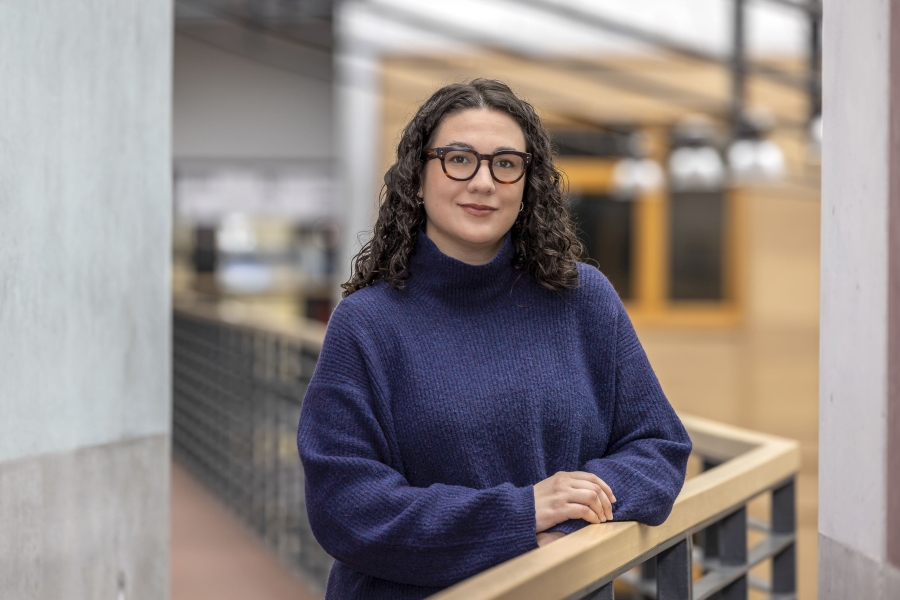
Veronica Botticelli is a Postdoctoral Researcher at the University of Milan. She obtained her PhD in Public International Law from the University of Padua in 2024, with a dissertation on inter-State complaints in international human rights law. Her work focuses on international human rights law, international adjudication, and accountability for serious violations. She has teaching experience in public international law, has published in leading journals, and serves as Co-Convenor of the ESIL Interest Group on Courts and Tribunals as well as a member of an ILA committee.
KIU research project: ‘Reconfiguring the Legal Protection of Minority Identity in Occupied Ukraine: Challenges and Prospects of Adjudicating Indirect Discrimination before International Courts’
Her project examines how international courts address indirect discrimination against minorities in occupied Ukraine, particularly through ostensibly neutral measures affecting language, education, and cultural life. By comparing different judicial approaches, it analyzes evidentiary standards, burdens of proof, and the legal construction of minority identity. The project highlights methodological limitations and argues for more nuanced approaches capable of capturing structural and cumulative forms of discrimination.
Research interests:
- international courts and quasi-judicial bodies
- international human rights law
- state responsibility
Fiona Greenland
Heide Fest
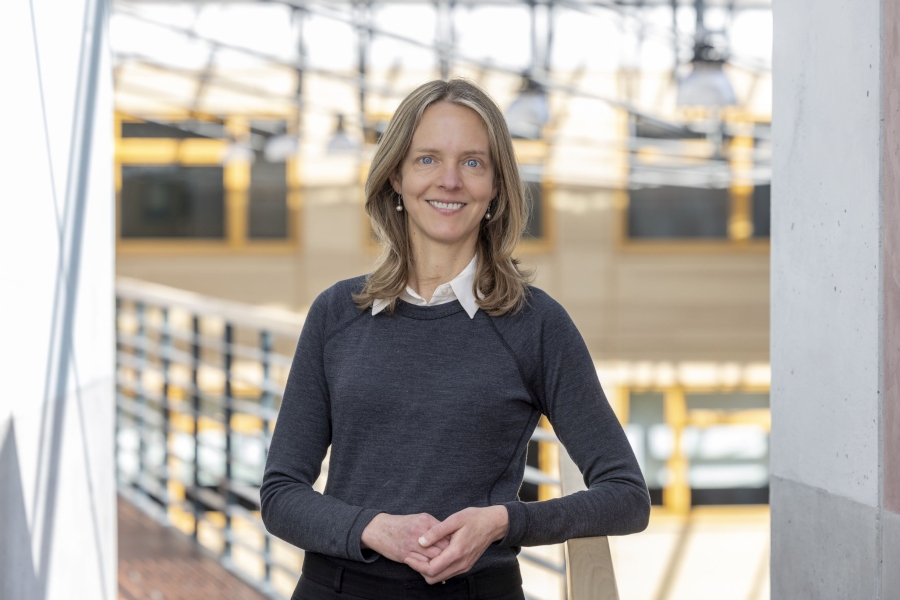
Fiona Greenland is Associate Professor of Sociology at the University of Virginia and Co-Director of the Cultural Resilience Informatics and Analysis Lab (CURIA). A certified OSINT investigator, she collaborates with governmental and non-governmental actors to document culture-based atrocities in Ukraine and the EU. She is currently working on a book on linguicide and cultural resistance in Ukraine and has conducted extensive fieldwork among cultural actors across Ukraine and its diaspora. She has also been affiliated with INDEX-Ukraine and was a Research Fellow at the Käte Hamburger Kolleg in Saarbrücken.
KIU research project: ‘Minority Communities in the Southern Frontline: Displacement, War, and Identity, 2000 to 2025’
The project explores historically layered minority identities in southern Ukraine, focusing on the regions of Odesa, Mykolaiv, and Kherson. Conceptualized as contact zones shaped by migration, multilingualism, and overlapping affiliations, these regions provide a lens for examining war experiences and collective memory among diverse ethnic groups. The study highlights how these perspectives inform broader questions of belonging, diversity, and political power.
Research interests:
- sociology of culture
- human rights
- nationalism and identity
Vladyslav Ivatskyi

Heide Fest
Vladyslav Ivatskyi is a historian specializing in minority studies and identity transformations in the Northern Azov region. He received his PhD in History from Mykolaiv National University in 2016, focusing on the Greek communities of the Azov Sea region. His research examines nation-building processes, linguistic change, and minority policies from the Russian Empire to contemporary Ukraine, alongside the economic and social history of the region.
KIU research project: ‘Post-Territorial Minorities? From Territorial Minority to Network Community: The Greeks of the Northern Azov Region after 2022’
His project investigates how war, occupation, and forced migration reshape minority communities whose territorial base has been disrupted. Focusing on the Greek communities of the Northern Azov region after 2022, it analyzes how displacement transforms community structures and identities. It asks whether these developments signal a shift from territorially rooted minorities toward dispersed network communities.
Research interests:
- minority studies and identity transformations in Eastern Europe
-
economic and social history of the Black Sea region
- war, migration, and post-territorial minority communities
Georgiy Kasianov
Heide Fest
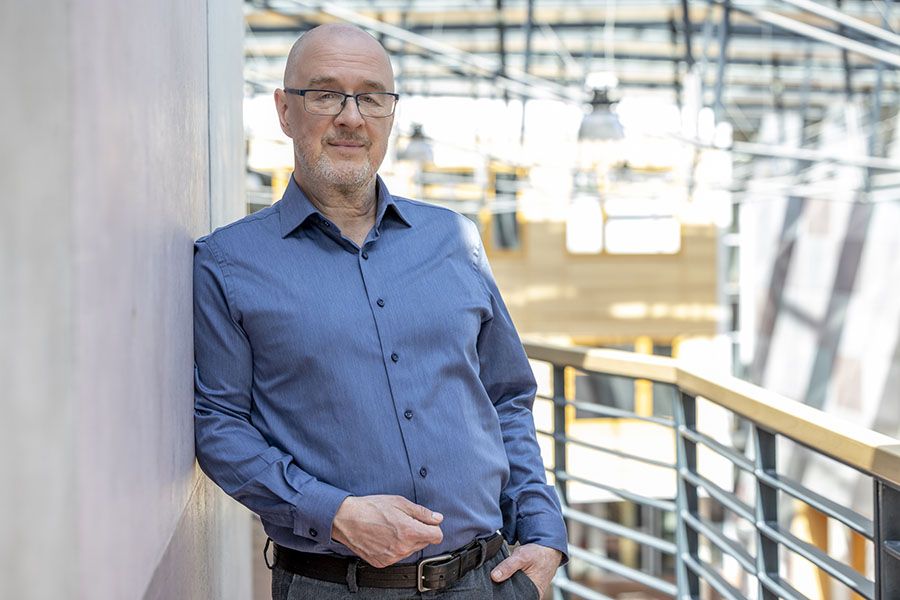
Georgiy Kasianov is Head of the Laboratory of International Memory Studies at Maria Curie-Skłodowska University in Lublin. Until 2021, he led the Department of Contemporary History and Politics at the Institute of the History of Ukraine in Kyiv. He has held numerous international research and teaching appointments and is the author and editor of over twenty books and numerous articles on Ukrainian history, social change, and memory politics.
KIU research project: ‘National Minorities, the ‘Nationalizing State’ and Neighbors: Ukraine, 1990s– 2020s’
His project examines the development of Ukraine’s policies on national minorities since independence. It focuses on language and cultural policies, as well as the interaction between domestic and international actors. The study analyzes how state strategies and political dynamics shape relations between majority and minority populations.
Research interests:
- contemporary history of Ukraine
- identity politics
- international relations
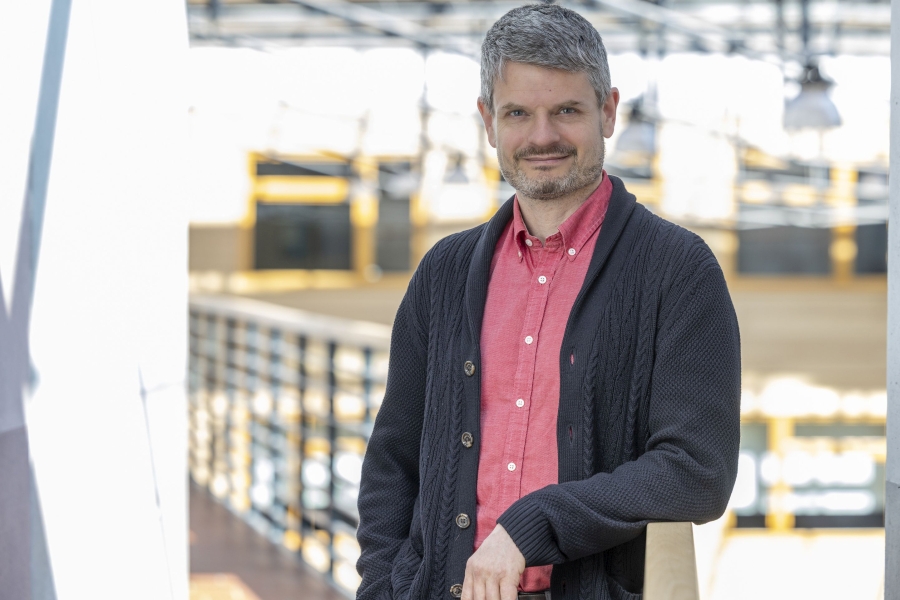
Ondřej Klípa
Heide Fest
Ondřej Klípa is Assistant Professor at Charles University in Prague, specializing in migration, nationalism, and state socialism in Central and Eastern Europe. He has received several fellowships, including a Fulbright-Masaryk Scholarship, and his research has been internationally recognized. In addition to his academic work, he has extensive experience in the NGO sector and government advisory roles.
KIU research project: ‘Imperial multiculturalism in the Autonomous Republic of Crimea (1992-2013): Russian hegemony, Soviet legacy, and Western minority protection’
His project analyzes ‘imperial multiculturalism’ in Crimea between 1992 and 2013. It examines how political actors constructed hegemonic power through strategies of “ethnic management,” promoting a regional multicultural identity to marginalize Crimean Tatar claims. The research highlights how discourses of tolerance were strategically used to legitimize political dominance.
Research interests:
- migration and nationalism
- state socialism
- Central and Eastern Europe
Katalin Kovály (Kolozsvári)

Heide Fest
Katalin Kovály is a Research Fellow at the HUN-REN Geographical Institute in Budapest and Assistant Professor at Ferenc Rákóczi II Transcarpathian Hungarian University. She received her PhD from ELTE University in 2021 and has held research positions in Ukraine and the Czech Republic. Her work focuses on ethnic and economic geography, particularly in Transcarpathia.
KIU research project: ‘Social Dynamics of the Transcarpathian Hungarian Minority in Wartime Ukraine’
Her project investigates socio-demographic transformations in Transcarpathia since 2022, focusing on the Hungarian minority. It analyzes the combined effects of emigration and internal displacement on local communities. Using a social geographical perspective, the study explores how war reshapes identities, social structures, and regional belonging.
Research interests:
- migration and transnationalism
- Hungarian minority in Ukraine
- social and economic geography
- ethnic social capital
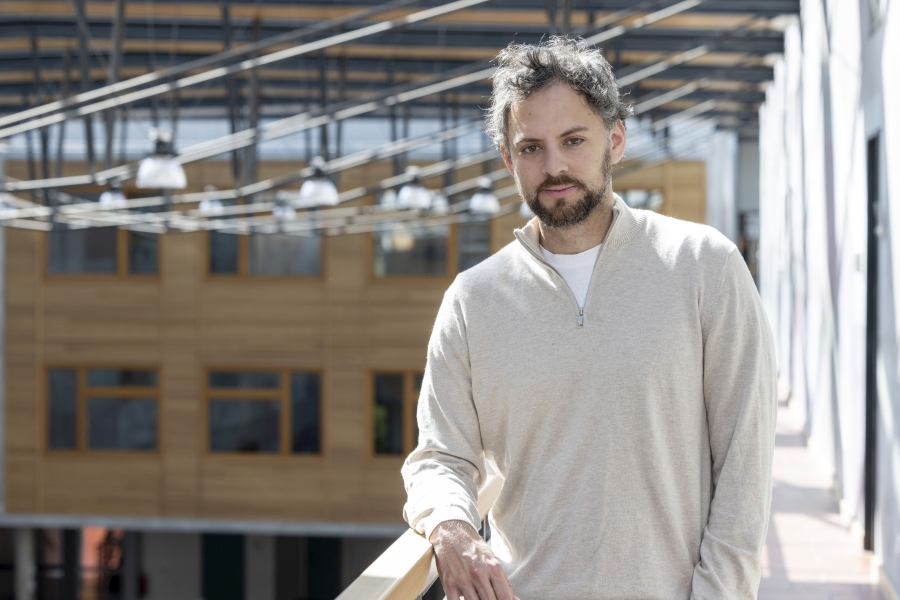
Yanush Panchenko
Heide Fest
Janush Panchenko is a Romani ethnographer and research associate at the Czech Academy of Sciences. His work focuses on the culture, language, and social organization of Roma communities in Ukraine. He is the founder and co-founder of key institutions in Romani research and language preservation and has received international recognition for his work.
KIU research project: ‘Military Service and the Transformation of Romanipe: Mechanisms of Change in the Traditional Value System of Ukrainian Roma During War’
His project explores how military service transforms Romanipe, the traditional Romani value system. Based on qualitative interviews, it examines how participation in war reshapes norms, social roles, and identity within Roma communities.
Research interests:
- ethnography of Roma communities in Ukraine
- Romani sociolinguistics
- war, migration and social transformation
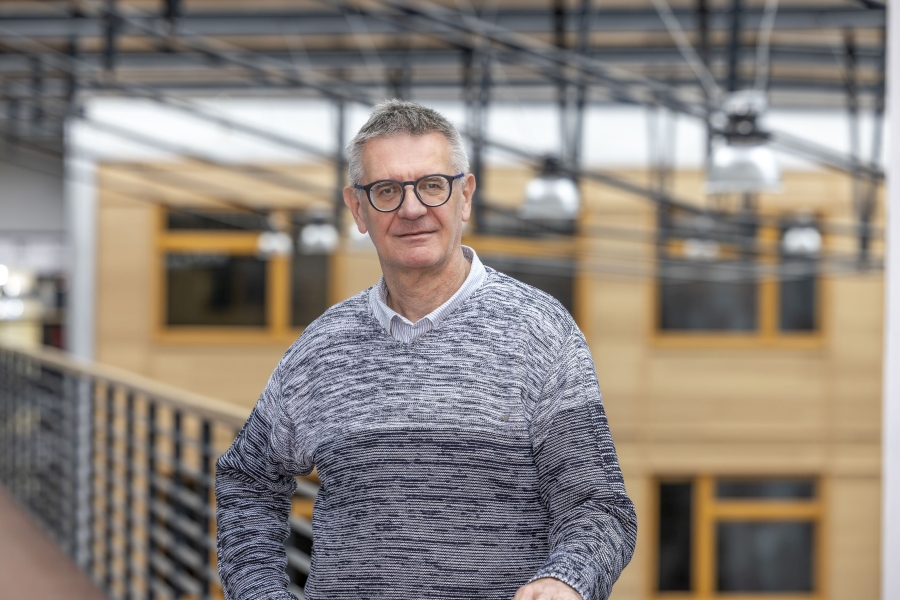
Orest Semotiuk
Heide Fest
Orest Semotiuk is Associate Professor at the Institute of Slavic Studies in Warsaw. His research focuses on political humour, visual culture, and the mediatization of armed conflicts. He has led international research projects and specializes in mixed-methods approaches to media analysis.
KIU research project: ‘Acclaiming 'Us', Attacking 'Them', Defending Identity’
His project investigates the strategic use of visual humour in the Russian-Ukrainian war. By comparing cartoons, memes, and AI-generated content, it analyzes how different media forms construct identities and represent minority groups. The study also explores how technological change reshapes visual communication in wartime.
Research interests:
- visual political humour
- image-based communication in conflict
- mediatization of war
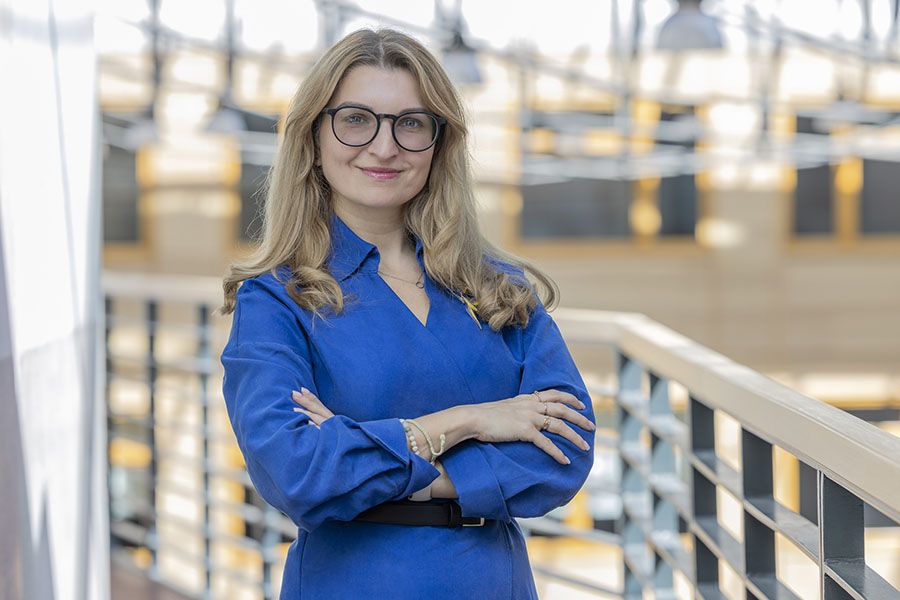
Svitlana Telukha
Heide Fest
Svitlana Telukha is a historian and lecturer at Kharkiv Polytechnic Institute. Her research focuses on oral history, memory cultures, and trauma studies in Eastern Europe. She has conducted extensive interviews with Holocaust survivors, war witnesses, and displaced persons, and works at the intersection of historical research and digital storytelling.
KIU research project: ‘Jewish Refugees from Ukraine in Germany: Memory, Identity, and the Recurrent Experience of Forced Migration’
Her project examines Jewish refugees from Ukraine in Germany, particularly Holocaust survivors who have experienced renewed displacement after 2022. It explores how repeated forced migration shapes identity and memory. Based on a longitudinal oral history approach, the study traces how narratives evolve over time under conditions of war and displacement.
Research interests:
- oral history
- Holocaust memory
- war and forced migration
- digital memory cultures